Landscaping Ideas For Small Yards

Landscaping Honolulu

A few special features can make a small backyard feel more inviting. For instance, a fire pit is an attractive and easy way to entertain friends on chilly nights.

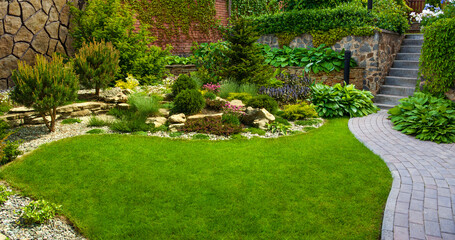
A curved path gives a sense of dimension to a small yard. Plantings such as ‘Wolf Eyes’ dogwood add a pop of color. And a simple pond or fountain can create tranquility in a tiny outdoor space. Contact Landscaping Honolulu for more details.

1. Plants

If you want your yard to be a place you enjoy, you need to have plants in it. Whether you prefer grass or a mix of other types of greenery, having plants in your yard will increase its ecological value and beauty. Plants add wildlife habitat, serve as pollinator food and provide shade that will reduce air conditioning costs in the Summer. They also reduce soil erosion and runoff. If you choose the right types of plants and trees for your yard, they can even improve your property’s value.

If your yard is small, it can be challenging to find the right plants for your landscaping. To make your plantings successful, it’s important to understand your landscape’s growing and lighting conditions. This can be done by finding your plant hardiness zone and evaluating the light patterns of your yard throughout the day.

Another important consideration is wind exposure. High winds can have a negative impact on certain types of plants. For example, evergreens can suffer from wind burn, which can cause them to lose their luster and become brown.

To minimize this effect, select shrubs and perennials with a mature height and width that will fit in your space. This includes options like the Little Quick Fire Hydrangea with beautiful pink-red flowers and the Chinese Fringe tree with narrow upright branches.

It’s also a good idea to mix colors, textures and heights in your landscape to create visual interest. However, overdoing it can make your yard seem crowded and overwhelming. Try limiting your color palette to three to five colors and use them consistently throughout your landscape to create an overall cohesive look. This will also help ensure your plants will have a long life.

2. Fences

Fences aren’t just for marking property boundaries – they also add character and charm to any backyard. A well-designed fence can make your yard feel larger and provide privacy without obscuring the landscape. And it’s the perfect canvas to express your unique style.

For instance, picket fences with evenly spaced vertical boards can create a traditional look that makes your garden feel spacious. On the other hand, horizontal slat fences offer a modern design that can visually widen your outdoor space.

Another great way to use a fence is to build walkways that help direct traffic or highlight focal points. These are often popular features in small yards as they add a sense of order and can be designed to fit your space.

A fence can be used as a trellis for climbing plants, allowing you to grow flowers, herbs or vegetables. This is an excellent way to increase the value of your home as it can provide a visual impact in addition to a delicious food source.

Finally, fences can serve as a barrier to protect your garden from pesky wildlife that might be looking for a snack. Whether it’s squirrels, rabbits or deer, a fence can shield your plants and prevent them from being devoured.

As with other outdoor landscaping elements, there are a variety of fencing materials that can match your style and budget. Many fence contractors recommend repurposed wood or recycled material for a beautiful, rustic look at a lower cost. You can even find decorative alternatives like laser-cut panels and artistic motifs that combine beauty with functionality.

3. Lighting

Regardless of how beautiful and lush your yard is, it won’t be a true outdoor oasis without the right lighting. Without lights, your yard will be unusable after the sun goes down, which means you can’t take advantage of one of the best things about a backyard: enjoying it with family and friends after dark.

Landscape lighting not only lights up your landscape at night, but it also makes it safer and easier to use. It’s an important feature to include in any landscape, especially for small yards that may be harder to navigate after sunset.

You can create a safe walkway with the help of well lights that subtly illuminate walkways or steps, making it easy to walk around your yard at night. You can also use them to highlight features like trees, plants, and other hardscapes that you want to showcase.

Lighting up a yard can be a big investment, but it’s one that pays off over time. You can start small by adding a single light or path, then gradually add more as your budget and time allow. It’s a good idea to talk to a professional to ensure your lighting plan is well-thought out and will work for your space.

Even the smallest yards can have plenty of curb appeal with the right landscaping. A few sculpted hedges or topiaries can make your home look high-end, while a green wall of ivy can give a low-cost, cottage-style yard an expensive look. And you can go full-on sustainable by replacing grass with ground covers or xeriscaping, which reduces the amount of water used in your landscape and helps save money. By reducing the amount of grass you have to mow, you can free up more time to enjoy your yard.

4. Clutter

Visual clutter is a quick way to make a backyard look unkempt. Clutter can be from things like toys or extra furniture, so get rid of it to make your backyard look bigger and more inviting.

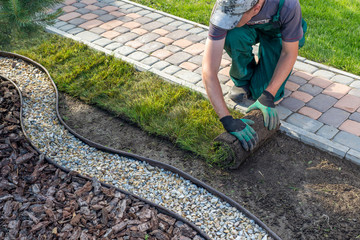
Even a small front yard can benefit from landscaping ideas to level up curb appeal and welcome visitors. A pathway with pavers or gravel is a nice touch and helps to direct foot traffic through the space, while a beautifully designed gate or front porch can add a more welcoming feel.

A large, mature tree can be a focal point for a small front yard. Frame the base with simple landscaping or a stone garden to let the tree shine. Add a showpiece plant, like a ring of orange tulips around this house from Mary Patton Design, to add an eye-catching pop of color.

A green wall is a great way to add flowers, herbs, or vegetables to your home without taking up floor space. Use trellises, hanging baskets, or hangers to create a floral wall that will enliven your backyard and beautify the home. Add a fire pit to the mix to encourage backyard entertaining and bring an intimate feel to your backyard.

5. Water

Water features like ponds and fountains can add a peaceful ambiance to your backyard. They aren’t just visually appealing, but they also act as natural stress relievers. Studies have shown that listening to the soothing sound of running water can reduce cortisol levels, the body’s primary stress hormone. If you don’t have room for a pond or fountain, try adding a low water feature like a stream, waterfall, or a small koi pond to your backyard landscape. It’s important to make sure your yard has good drainage. If you don’t, your plants will spend more time soaking up excess water than they should, instead of absorbing it.

Even small front yards can benefit from landscaped features. Mary Patton Design matched the home’s architecture with minimal landscaping that softened the facade and helped it blend into the natural setting. The designers chose curved beds, low-lying greenery, and a mix of blooming bushes to create this balanced look.

For a low-maintenance backyard, choose ground covers that are easy to maintain and won’t take up too much space. Creeping phlox (Phlox subulata) is a great option, as it’s drought-tolerant and produces vibrant flowers in many colors. Ornamental grasses like Indiangrass (Sorghastrum nutans) are another low-maintenance choice, and they’re ideal for xeriscaping.

The smaller your backyard, the more important it is to keep it clear of clutter. Clutter can quickly turn your backyard into an eyesore and prevent you from enjoying the outdoors. A simple way to eliminate visual clutter is by using a backyard lighting system. String lights can be draped across trees and patios to light up the evening and create a warm and inviting atmosphere.

Cultivating Nature with Professional Tree Care Service

Trees are among the most valuable assets in any landscape, providing shade, beauty, and environmental benefits. However, they require ongoing care to remain healthy, safe, and attractive. That’s where tree care service comes in. These specialized services are designed to keep trees thriving, protect properties from potential hazards, and enhance the overall appeal of outdoor spaces. Understanding what tree care involves can help property owners make informed decisions that benefit both their trees and the environment.

tree care

The Importance of Tree Care

Healthy trees improve air quality, provide shelter for wildlife, and increase property value. However, neglecting them can lead to issues like disease, pest infestations, or unstable limbs that pose safety risks. Regular tree care not only preserves a tree’s health but also prevents costly damage to structures, vehicles, or power lines.

By investing in tree care, property owners contribute to a greener environment while maintaining the safety and aesthetic appeal of their surroundings. It’s a proactive approach that pays off in the long run.

Key Services Offered by Tree Care Professionals

Tree care service involves a variety of tasks that go beyond simple maintenance. Each plays a critical role in ensuring the well-being of trees and the safety of nearby areas.

1. Pruning and Trimming

Pruning removes dead, damaged, or diseased branches, allowing for better airflow and sunlight penetration. It shapes the tree for improved growth and prevents weak limbs from breaking. Regular trimming also enhances the tree’s appearance and supports healthy structure.

2. Tree Removal

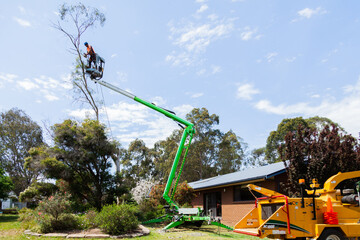
Sometimes, a tree may be too damaged or diseased to save. In such cases, removal becomes necessary to prevent hazards. Professional tree care services handle removals safely, using specialized equipment and techniques to minimize risk to people and property.

3. Planting and Transplanting

Planting trees correctly from the start sets them up for long-term success. Professionals can recommend the right species for a particular location, taking into account soil, climate, and space. They also handle transplanting, ensuring minimal stress to the tree during relocation.

4. Disease and Pest Management

Trees are vulnerable to a range of pests and diseases that can compromise their health. Tree care services provide inspections and treatments to detect and address issues early. This proactive management helps trees recover and reduces the chance of infestations spreading to other plants.

5. Soil Health and Fertilization

The condition of the soil plays a huge role in a tree’s vitality. Tree care professionals assess soil quality and provide fertilization or aeration to improve nutrient uptake. Healthy soil means stronger root systems and more resilient trees.

6. Emergency Tree Care

Storms, high winds, or accidents can cause unexpected tree damage. Emergency services are essential for removing fallen branches or entire trees that block roads, damage property, or create safety hazards.

Benefits of Hiring Professionals

While some property owners may try to handle tree care themselves, there are clear advantages to hiring professionals.

  • Safety: Tree work often involves heights, heavy equipment, and unpredictable conditions. Professionals are trained to handle these risks safely.
  • Expertise: Tree care specialists understand tree biology, proper pruning techniques, and the signs of disease or decay.
  • Efficiency: With the right tools and experience, professionals can complete tasks quickly and thoroughly, saving time and effort.
  • Preventive Care: Regular inspections by experts catch problems early, preventing costly damage or loss of trees.

By hiring professionals, property owners can rest assured that their trees are cared for properly while minimizing personal risk.

Seasonal Tree Care Tips

Tree care isn’t a one-time effort; it’s a year-round responsibility. Different seasons call for different approaches:

  • Spring: Ideal for planting new trees, fertilizing, and inspecting for pests or disease after winter.
  • Summer: Regular watering and mulching help trees cope with heat and drought stress.
  • Fall: Pruning and trimming prepare trees for winter and encourage healthy growth in the next season.
  • Winter: Inspect for damage from snow and ice; plan for spring maintenance.

Understanding the seasonal needs of trees helps property owners keep them healthy year-round.

Supporting Environmental Sustainability

Tree care services not only protect individual trees but also promote broader environmental benefits. Healthy trees improve air quality, reduce urban heat, and help manage stormwater runoff. They also provide critical habitats for birds and other wildlife.

When property owners invest in tree care, they’re contributing to a more sustainable future. Encouraging proper tree planting and maintenance helps create greener, healthier communities for generations to come.

Signs Your Trees Need Attention

Knowing when to call a tree care service is essential. Look for these warning signs:

  • Dead or broken branches
  • Leaning trees or exposed roots
  • Cracks in the trunk or major limbs
  • Sparse or discolored foliage
  • Unusual insect activity or fungal growth

Prompt action can often save a tree or prevent dangerous situations. Even if a tree appears healthy, periodic inspections are a wise precaution.

Choosing the Right Tree Care Service

When selecting a tree care provider, look for qualifications, experience, and a commitment to safety. Ask about certifications, insurance, and the methods they use. A reputable service will provide clear explanations, written estimates, and follow industry standards.

It’s also important to choose professionals who take a holistic approach—looking at soil health, surrounding vegetation, and long-term tree development rather than just quick fixes.

Investing in Long-Term Tree Health

Tree care service is more than just maintenance—it’s an investment in the future. By nurturing trees with proper pruning, soil management, and disease prevention, property owners ensure their landscapes remain safe, vibrant, and environmentally friendly.

Healthy trees add beauty and value to properties while benefiting the planet. With the help of skilled professionals, anyone can maintain strong, resilient trees that stand tall for decades.

Growing a Greener Tomorrow

Trees are silent witnesses to our lives, offering shade, oxygen, and natural beauty. Caring for them through professional tree care service is an act of stewardship that pays dividends for both property owners and the environment.

Whether it’s planting new trees, preserving old ones, or safely removing hazards, these services ensure that our green companions continue to thrive. By prioritizing tree care, we nurture not only our landscapes but also the world we share.

Tree Removal – Why It’s Important to Hire a Professional to Remove a Stump

A tree can pose a hazard when its limbs or roots encroach on nearby property. A regular inspection by professionals and prompt action are the best strategies to prevent damage to buildings, cars and utilities.

Tree Removal

To start with, clear an escape route in the event the tree does fall. This should be free of brush and debris so that a person can escape without getting caught.

Stumps are an eyesore, take up valuable landscaping space and can be a hazard to anyone walking on the property. They also create an ideal breeding ground for pests and can lower your property value. If you have a stump in your yard that needs to go, the best and safest option is to hire professionals for stump removal or grinding. This is a quick and cost-effective process that eliminates trip hazards and prevents root rot, pest infestations, and unwanted new growth.

Traditional Stump Removal

If you’re not in a hurry and don’t mind the look of a wooded area, you can cut the stump as close to ground level as possible, cover it with soil, and wait for it to rot. This method works well for small stumps in the right conditions. Homeowners can also speed up the decay process by drilling large holes in the stump and adding fertilizer, especially nitrogen. The downside to this is that it can be time-consuming, and you must monitor the stump regularly for signs of rot or insect infestation.

This method is also labor-intensive and requires the use of heavy machinery. It’s more expensive than stump grinding and is not suitable for large or old stumps. It can also leave a hole in the ground that will require filling and restoration, which will disrupt the surrounding landscape. The chemical treatment used during this process can also leach into the soil and potentially harm nearby trees.

Stump grinding is an effective and safe way to remove tree stumps, leaving you with a clean and usable landscape. Stump grinding is fast and efficient, eliminating the need for manual digging. It’s also less disruptive to the landscape than excavation and offers a more complete solution by completely eradicating the stump and roots. This allows you to repurpose the space for new landscaping or activities and maximizes usable outdoor spaces. Stump grinding also eliminates trip hazards and reduces the risk of insects, fungi, and other pests invading the area. Moreover, the resulting mulch is ideal for garden and flower beds.

Removal of Tree Branches

When a tree branch is dead, it may be tempting to remove it yourself. However, before grabbing your tools and heading out to the yard, it is important to evaluate the situation thoroughly. This will help you determine whether the tree is in close proximity to power lines and, if so, whether it is best to leave it alone or to seek professional assistance. It will also give you a better idea of the size and weight of the branch and its location, which can affect the best way to remove it safely.

A few reasons for removing a tree include:

Safety hazards: A dangerously leaning or compromised structural condition could cause damage or injury to people, vehicles, or structures.

Disease or infestation: A dying or infested tree could fall and create damage or pose a risk to other trees.

Poor structure: A poorly structured or overgrown tree can reduce airflow and block views.

Trees are an integral part of the natural environment, providing shade, reducing soil erosion, aiding water absorption and retention, and offering screening and buffering between land uses. They also provide biodiversity and ecological connectivity, contribute to a healthy environment and improve aesthetics.

Although it is difficult to imagine a landscape without a beloved tree, sometimes it’s necessary to let go. Regardless of how well your trees are cared for, there will come a time when it is in your best interest to remove them.

In many cases, a damaged or dying tree can be saved by pruning. The process is called “trimming,” and it involves selectively removing branches to promote growth, enhance visual appeal, and improve overall health. The specific techniques used vary depending on the species of tree and its environment.

When a tree is removed from your property, it’s important to plant new trees to replace them. To help you choose the right replacements, we recommend consulting with a Certified Arborist. In addition to recommending species and planting locations, they can also offer suggestions on planting locations in your landscape that will take advantage of the ecosystem services provided by the trees you’re removing.

Removal of Tree Stump

A tree stump is an eyesore, but more importantly, it can also pose a safety hazard. If it isn’t fenced off, children and pets may stumble upon it and get hurt. It can also interfere with mowing and other landscaping. Stumps also attract wood-boring insects like beetles and termites, which can damage nearby trees, shrubs, and flowers.

While chemical and DIY methods work for smaller stumps, large or stubborn ones require a physical approach. Stump grinding involves using specialized machinery to grind the stump into wood chips, eliminating the entire root system. This is a low-impact, effective method of stump removal that leaves your yard free of unsightly remnants and ready for new plantings.

If you prefer a more natural approach, consider accelerated natural decay through burying. Dig a hole around the stump and cover it with nitrogen-rich compost, keeping it moist. Over a period of 1-2 years, fungi and other organisms will decompose the stump and surrounding roots. While this process is more time consuming than other options, it avoids the use of chemicals and heavy equipment.

Another option is to cut the stump to ground level and let it rot. This is the least expensive and most environmentally friendly way to remove a stump. However, it can take a long time and is not guaranteed to completely rot the stump. It’s important to water the stump regularly to ensure it doesn’t dry out.

Homeowners who aren’t in a hurry or don’t mind the look of a rotting stump can also use it for decorative purposes, such as a plant stand or table base. They can even turn it into a fairy house or other garden feature.

For those who are determined to get rid of a stump, chemical burning is an option. But this method isn’t recommended, as it often merely chars the surface and retards natural decay. Plus, it’s dangerous and illegal in most communities. In addition, it can be hazardous to kids and pets, as well as damaging to mowing equipment. This is why it’s usually best to hire a professional.

Contact Us

To request tree removal services, please fill out the form. You will be contacted once the request has been processed and is ready to be picked up.

We recommend that you call for service as soon as possible, especially if a tree is unhealthy and beginning to show signs of decay or has been severely damaged by a storm. It is also a good idea to remove a tree that is encroaching on a structure (house, shed or garage), or if it is growing too close to underground utility lines.

If a tree has fallen during a storm and is blocking a road or threatening an auto, house or other structure, please contact 911 to request emergency services. Our arborists will respond to tree emergencies, removing any hazards that are an immediate threat to public safety and the property of others. For non-emergency requests to trim private property trees or tree limbs threatening overhead electrical wires, please use this PECO request form.

We know it can be hard to part with a beloved tree, but unfortunately they can often cause more harm than they are worth. It is important to weigh the risks versus the benefits of keeping a tree on your property, and consider the future of your yard and surrounding neighborhood. If it is decided that a tree should be removed, we encourage homeowners to apply for a Tree Removal Permit. Once the permit application has been reviewed and approved by a certified arborist, the process to remove a tree will usually take about two weeks.